
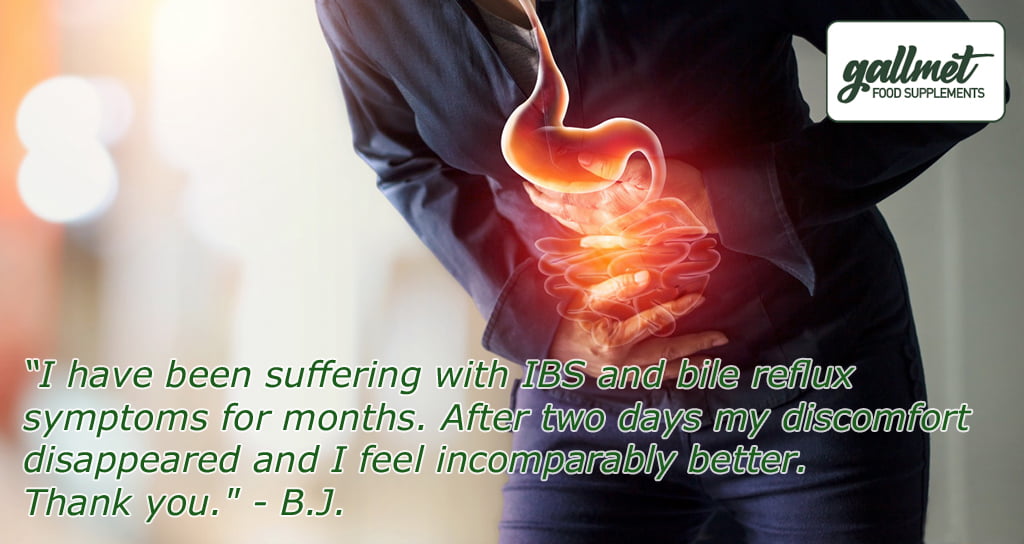
Intestinal diseases: relation between IBS, ulcerative colitis, Crohn's disease, SIBO and bile

Intestinal diseases: relation between IBS, ulcerative colitis, Crohn's disease, SIBO and bile

Irritable bowel syndrome - IBS and dysbiosis

IBS is associated with dysbiosis in around 75% of cases, where bacteria in the large intestine consume undigested nutrients and the significant amount of gas produced causes bloating.

''IBS is a chronic gastrointestinal disorder characterised by stomach pain, changed bowel function (diarrhoea, constipation or both) and bloating. The following can help: drinking enough water, essential fatty acids, probiotics and high fibre foods, increasing digestive enzyme levels and FODMAP diet. Consultation with a healthcare professional is essential for personalised guidance.
IBS affects 15-20% of the European adult population and can be caused by stress, poor eating habits, smoking and excessive alcohol consumption."

Over the last 10 years we have received a lot of positive feedback about the use of GALLMET bile acid capsules for IBS, especially from people who have experienced constipation.

Crohn's disease

'Crohn's disease is a chronic inflammatory disease of the digestive tract of unknown origin. It mostly affects the small and large intestine, but in some cases it can also involve the alimentary canal, oesophagus and stomach. The development of Crohn's disease is caused by an abnormal immune response to bacteria living in the stomach lining.'

Ulcerative colitis

'Ulcerative colitis, is a type of inflammatory bowel disease that involves chronic inflammation of the digestive tract, characterised by abdominal pain and diarrhoea. Ulcerative colitis causes inflammation and ulceration of the intestines, usually affecting the superficial layers of the mucosal lining of the colon in a continuous area, starting from the rectum. Its development may be due to the immune defence mechanism and genetic predisposition.'

Contaminated small bowel syndrome - SIBO

Proton pump inhibitors, also known as PPIs (omeprazole, pantoprazole, etc.), used to treat heartburn, reduce stomach acid levels. If there is not enough stomach acid or bile to 'disinfect' the food eaten, bacteria can pass into the small intestine and if they overgrow there (SIBO), the bacteria cause the nutrients to turn into gas. The gases increase the internal pressure in the stomach, which opens the oesophageal sphincter and the acidic contents of the stomach are forced into the oesophagus. SIBO is fairly common, estimated at 2.5-22% in healthy people and 17% in morbidly obese people.

'Small Intestinal Bacterial Overgrowth (SIBO) is a disease that mainly affects the digestive tract. SIBO, as the English term implies, is an overgrowth of intestinal bacteria in the small intestine. If, for some reason, the small intestine becomes overpopulated with bacteria from the large intestine (and contaminated), unpleasant symptoms such as bloating, increased gas production, abdominal cramps, alternating diarrhoea and constipation occur.'

What is the role of bile acids and bile in these intestinal diseases?

If there is a problem with the breakdown of fats (e.g. because of gallbladder surgery), the digestion of fat will be by putrefaction, which will alter the bacterial flora in the colon in an unfavourable manner. This allows microorganisms that don't belong there to colonise and multiply in the intestines. This can trigger inflammatory processes, causing pain, cramping and the development of IBS and dysbiosis. Furthermore, if the disinfectant role of bile acids is not functioning properly, bacteria ingested with food can multiply in the small intestine and lead to the development of contaminated small intestine syndrome (SIBO).

Proper liver function, bile production, bile circulation (enterohepatic circulation) can prevent the listed intestinal diseases. If the bile cycle is not functioning properly or is damaged for whatever reason, bile acid supplementation can help to alleviate the symptoms of these diseases and speed up recovery, as bile acids support the bile cycle, digestion, gut and immune health and help to alleviate their dysfunction.

Dr. István Tihanyi and László Béky, naturopathic experts, discuss the connection between bile acids and intestinal inflammation (with subtitles, about 3 minutes, Echo TV - Vitalitás)

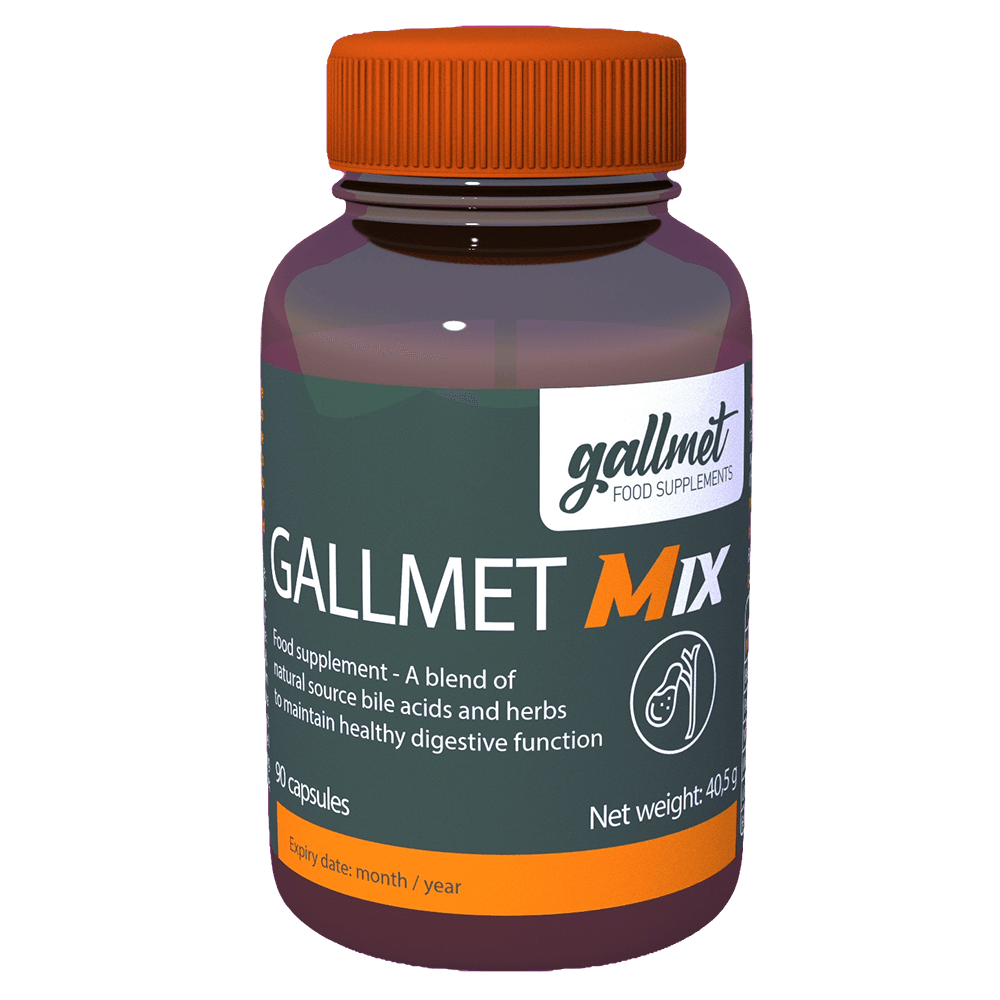
GALLMET-Extra bile acid, digestive enzyme and herb capsules

The aforementioned intestinal disorders impair the absorption of nutrients in the body, which can be positively influenced by taking digestive enzymes. Undigested food provides a breeding ground for various bacteria, which can lead to SIBO, IBS, dysbiosis and primary endotoxemia. In addition to bile acids, GALLMET-Extra capsules also contain digestive enzymes that help to process and utilise nutrients more efficiently, thereby inhibiting the proliferation of harmful bacteria (dysbiosis) in the intestine. Based on clinical trials, the ingredients in GALLMET-Extra can improve the quality of life for people with inflammatory bowel disease.

‘It’s solved a problem I’ve had for over 20 years! I had constant diarrhoea, I’d tried everything, but nothing helped. Pass the word on to anyone you know; you can get it in herbalist shops too – they even order it in for me.’ – Mrs János A.
"I have Crohn's disease, I've been taking it for a few days and I'm already feeling the effects. It has helped a lot in relieving diarrhoea in just a short time☺" - Sz.Sz.
‘I take GALLMET-Extra for my bowel inflammation and gallstone disease. It has significantly improved my condition.’ – Mrs Sándor Cs.

Privacy Overview

gallmet.hu

This website uses cookies so that we can provide you with the best user experience possible. Cookie information is stored in your browser and performs functions such as recognising you when you return to our website and helping our team to understand which sections of the website you find most interesting and useful.

Strictly Necessary Cookies

Strictly Necessary Cookie should be enabled at all times so that we can save your preferences for cookie settings.

3rd Party Cookies

This website collects anonymous information through the use of third-party cookies (Ad-related cookies and Performance cookies)